
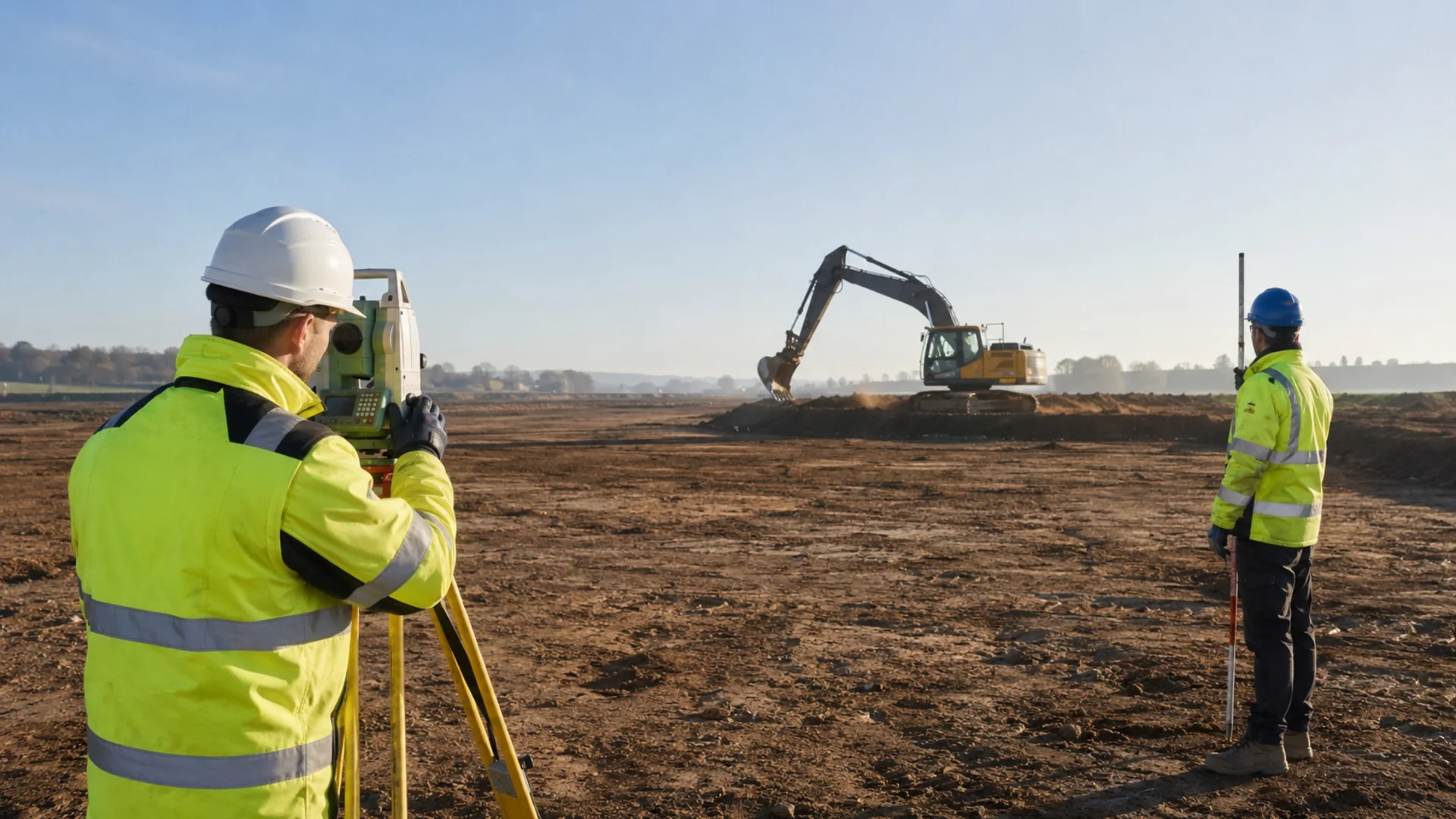
What you need to know
- A tender built on reconstructed hours will lose or lose money.
- Write the output and the hours on the site diary that shift.
- Rosie reads those lines so the next bid uses last job, not a guess. Book 15 minutes if you want that on one scheme.
Beyond Project Delivery
Most contractors think of site data as an operational necessity: something you collect to manage the current project, track progress, justify variations, defend claims.
But quality site data, collected consistently over time, becomes one of your most valuable business development assets. It's the difference between telling a client 'we're good at this' and showing them proof.
The Tender Advantage
Every competitive tender asks the same fundamental question: can this contractor deliver? Clients assess capability, experience, and reliability. Most contractors answer with generic statements about their team's experience and some cherry-picked project examples.
You can present actual productivity data from comparable projects instead: labour hours per square metre, plant utilisation rates, programme achievement percentages, weather impact analysis showing how you maintained progress despite adverse conditions. That's evidence, not a claim.
Building Your Track Record
A compelling track record requires consistent data collection across all projects, not just the successful ones. Clients aren't naive. They know every project has challenges. What they want to see is how you manage those challenges.
Your data should show, for example:
- Productivity improvements: How did your second phase compare to your first? What did you learn and implement?
- Problem solving: When you hit unexpected ground conditions, how quickly did you adapt? What was the programme impact?
- Resource management: How efficiently did you utilise plant and labour? What was your wastage rate?
- Safety performance: Not just incident rates, but proactive observations and interventions
These examples, backed by data, demonstrate capability far more effectively than generic CVs and standard form responses.
Client Confidence in Action
Repeat work comes from trust, and trust comes from demonstrated performance backed by evidence.
When you complete a project and can give the client comprehensive data on how it was delivered, you're not just closing out a contract. You're building the foundation for the next opportunity.
Progressive clients increasingly want this data. They're building their own benchmarks and want to compare contractor performance not just on cost, but on predictability, safety, and operational excellence. The contractors who can provide this data get invited back.
Differentiating in Frameworks
Framework agreements amplify the value of quality data. When you're competing for call-off work against a limited pool of pre-qualified contractors, marginal differences matter enormously.
If you can demonstrate consistently better productivity than competitors on similar work, that's a compelling reason to choose you. If you can show you've delivered within programme 95% of the time while the industry average is 60%, that's differentiation clients will pay for.
Framework managers track this data even if you don't. Better to control the narrative with your own comprehensive records than let incomplete information define your reputation.
The Pre-Qualification Edge
Pre-qualification questionnaires increasingly ask for evidence, not just assertions. Can you provide productivity benchmarks? Do you have data on your environmental performance? What are your actual, evidenced safety statistics?
Companies with systematic data collection answer these questions with confidence and specificity. Companies without it scramble to compile something that looks credible.
This isn't just about winning individual tenders. It's about positioning your company for opportunities that require evidenced capability. The bigger the project, the more scrutiny on your track record.
Making Data Work for Business Development
Raw data isn't persuasive on its own; insights are. Invest in turning your project data into business development assets:
- Case studies with real numbers: Not just 'completed on time and budget' but 'delivered 3 weeks early with 12% productivity improvement'
- Benchmarking reports: How your performance compares to industry standards
- Lessons learned summaries: Demonstrating your commitment to continuous improvement
- Visual dashboards: Making complex data accessible and compelling
Your commercial team should have access to this material. Every tender should be strengthened by evidence from previous projects.
Starting the Journey
If you're not currently collecting data systematically, start now. Every project you deliver without capturing quality data is a missed opportunity to build your evidence base.
The investment in proper site data collection pays dividends far beyond the current project. It builds the foundation for winning the next one, and the one after that.
In an industry where reputation matters enormously but is often based on hearsay and incomplete information, quality data gives you objective evidence of your capability. That's worth building.
The next bid uses last month diaries
Reconstructed hours lose tenders. Write the output and the hours on the site diary that shift. Rosie reads those lines so the next price uses last job, not a guess.

.webp)