
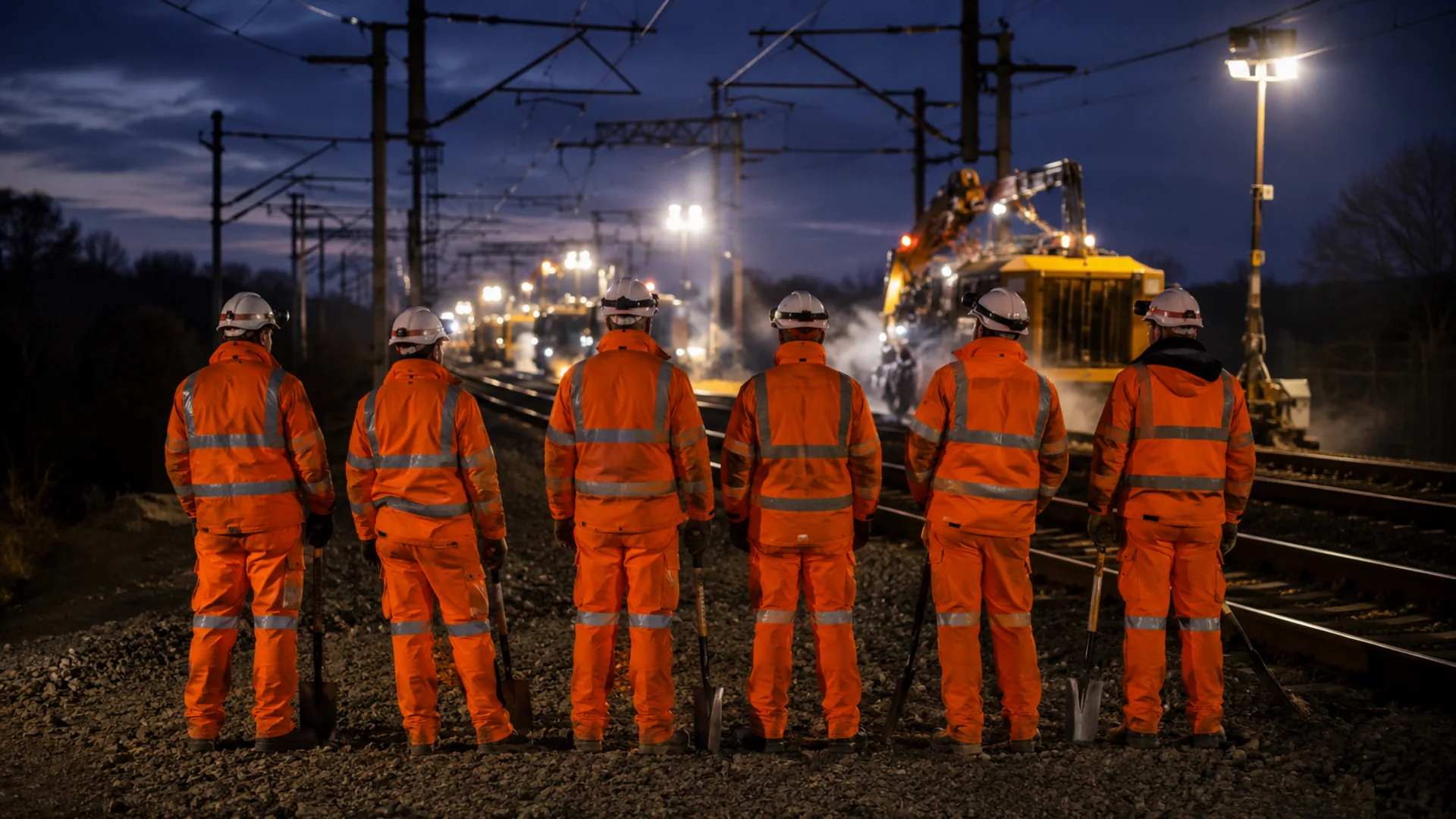
What you need to know
- A blockade without a dated allocation is a shift that did not happen, commercially.
- Write it that night in the site diary. Possession windows are short.
- Rosie reads those entries against NEC4 so standing time is on the notice, not in a Monday wrap.
The Blockade Question
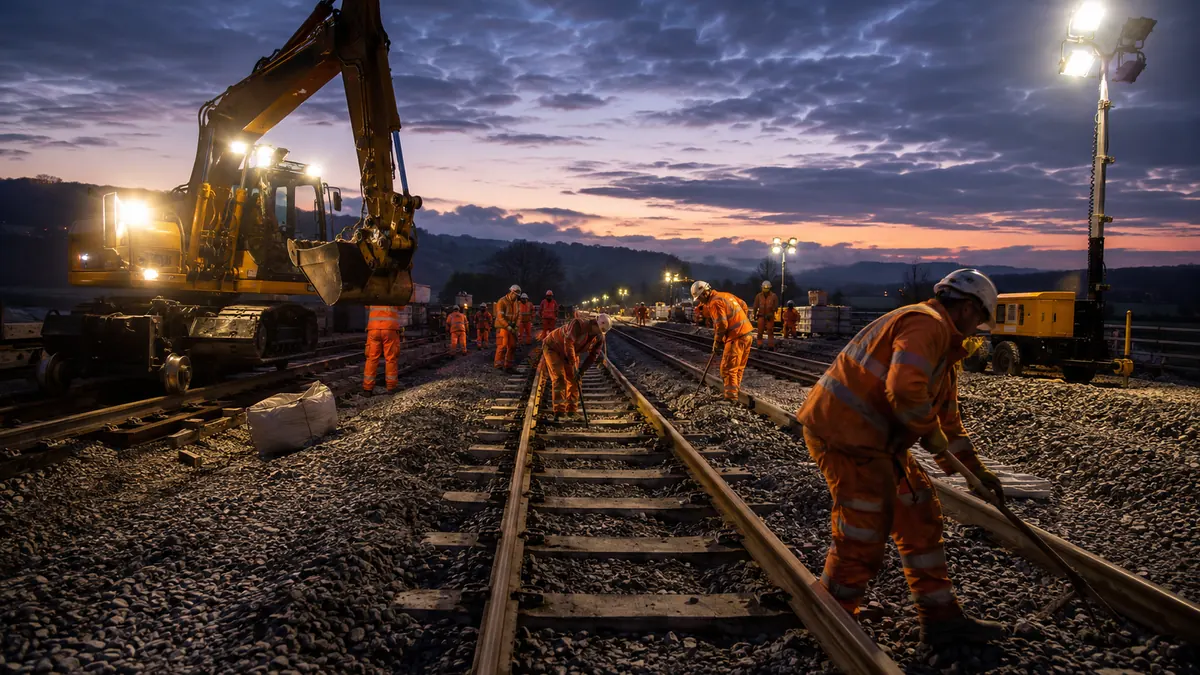
Infrastructure construction often demands intensive work periods. Rail possessions. Road closures. Weekend blitzes to minimise public disruption. The logic seems straightforward: concentrate effort, compress timelines, get in and get out.
The answer is more nuanced than a simple cost-benefit sum.
Understanding the True Costs
Blockade working carries costs that extend well beyond the obvious overtime premiums. Understanding the full picture is essential for making informed decisions.
Labour Costs
Extended shifts, overtime pay, and premium rates for unsociable hours add up quickly. A team working 12-hour shifts over a bank holiday weekend might cost 2-3 times their normal rate. That's before accounting for any productivity decline in those extended hours.
Resource Intensity
Blockades require resource concentration. Equipment that would serve multiple projects gets dedicated to one. Specialists who could be deployed elsewhere get locked in. The opportunity cost of this concentration rarely appears in project accounting, but it's real.
Fatigue Effects
Tired workers make mistakes. Mistakes mean rework. Productivity declines in extended shifts, and error rates climb. A 12-hour day doesn't deliver 50% more output than an 8-hour day. It might deliver 25-30% more, with higher defect rates.
Coordination Demands
Intensive working requires intensive coordination. More stakeholders active simultaneously. Tighter sequencing. Less buffer for problems. The management overhead of running a blockade often exceeds normal project coordination by significant margins.
The Case for Blockades
Despite the costs, blockade working persists because it offers genuine advantages in specific contexts.
Compressed Timelines
Sometimes speed matters more than efficiency. A railway possession happens once. A road closure has a fixed window. Completing work within these constraints may justify premium costs.
Minimised Operational Disruption
For live infrastructure, the cost of extended disruption often exceeds the cost of intensive working. A rail line closed for one weekend costs less than two weekends of normal working, even if the weekend work is more expensive per hour.
Concentrated Focus
Blockade working creates focus. Teams aren't splitting attention between multiple projects. Resources aren't competing for allocation. This concentration can improve coordination even while increasing intensity.
Reduced Indirect Costs
Shorter project lifecycles mean lower indirect costs. Site establishment, welfare, supervision, and management all scale with duration. Compressing the timeline reduces these overheads.
A Smarter Approach
The choice isn't binary. Rather than choosing between full blockade and normal working, consider staged intensive work periods.
This hybrid approach divides projects into manageable phases. Each phase receives concentrated effort. Between phases, teams recover, lessons get captured, and planning adjusts for actual conditions.
Benefits of Staged Intensity
- Sustainable Working Hours: Teams work intensively but not exhaustively, maintaining productivity and reducing errors
- Better Resource Allocation: Resources can move between projects during recovery periods rather than being locked into extended blockades
- Flexibility for Problems: When issues arise (and they always do), there's space to address them without cascading delays
- Learning Integration: Lessons from each phase inform subsequent phases, improving performance over time
Making the Decision
Whether blockade working makes sense depends on context. Key factors to consider:
Project Complexity
Simple, well-understood work tolerates compression better than complex, uncertain work. If you're likely to encounter problems, you want time to solve them rather than a tight deadline forcing poor solutions.
Timing Constraints
Some constraints are absolute. A rail possession window doesn't flex. Other constraints are negotiable. A client deadline might move for good reasons. Understanding which constraints are real shapes the decision.
Team Capacity
Experienced teams handle intensity better than inexperienced ones. Teams that have worked together before coordinate faster than newly assembled groups. Assess capacity honestly rather than assuming availability equals capability.
Recovery Requirements
What happens after the blockade matters. If teams need to move immediately to other intensive work, fatigue compounds. If there's recovery time built in, the impact is contained.
What This Means for Your Projects
Blockade working isn't inherently good or bad. It's a tool that suits some situations and not others. The contractors who get this right evaluate each situation individually rather than applying blanket policies.
Consider the full costs, not just the obvious ones. Weigh them against the genuine benefits. Explore staged alternatives that might deliver speed without the extremes. And when you do commit to intensive working, plan for the recovery that follows.
Used well, a blockade delivers real value, not just the appearance of urgency.


.webp)