

What you need to know
- Unbilled is not unearned. It is a record that was too late or too thin.
- Put the variation on the site diary the same day.
- Rosie reads those entries so a done-but-unbilled line is raised while the clock is running.
The Hidden Drain on Profit Margins
You cannot bill what you cannot prove. Contractors regularly complete work they never receive payment for, not because clients refuse to pay, but because the work was never properly documented.
What Are Unbilled Variations?
Unbilled variations represent work that deviated from the original scope but was never recorded, costed, or submitted for payment:
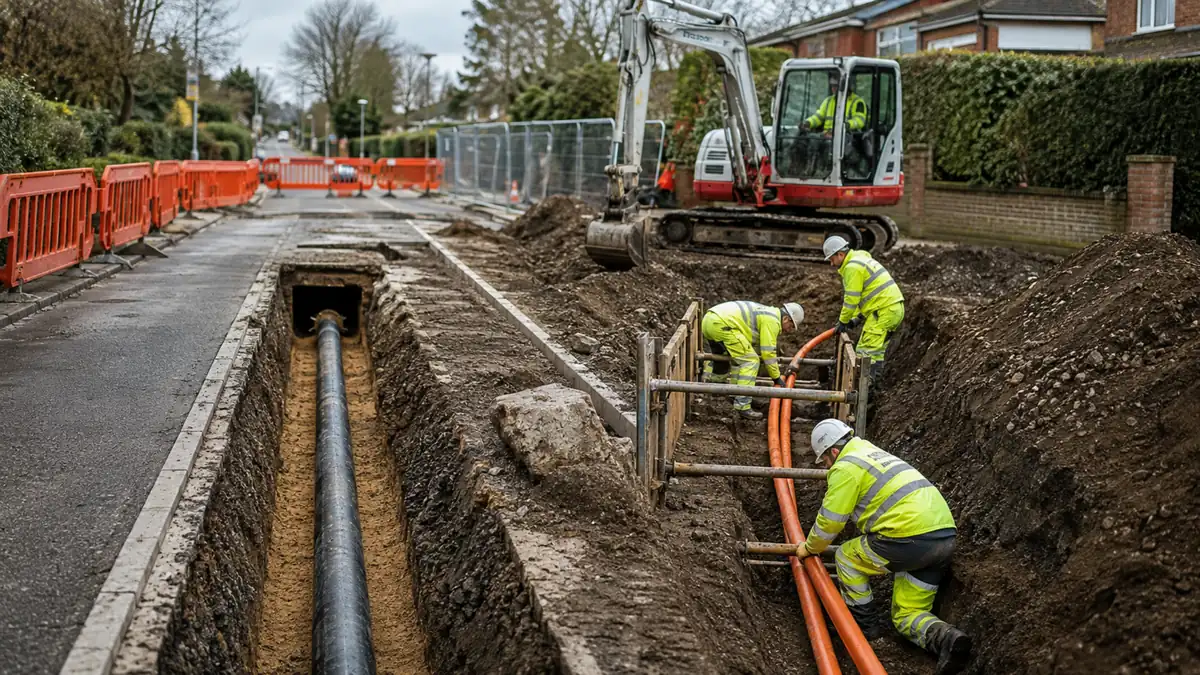
- Duct runs rerouted around structural elements
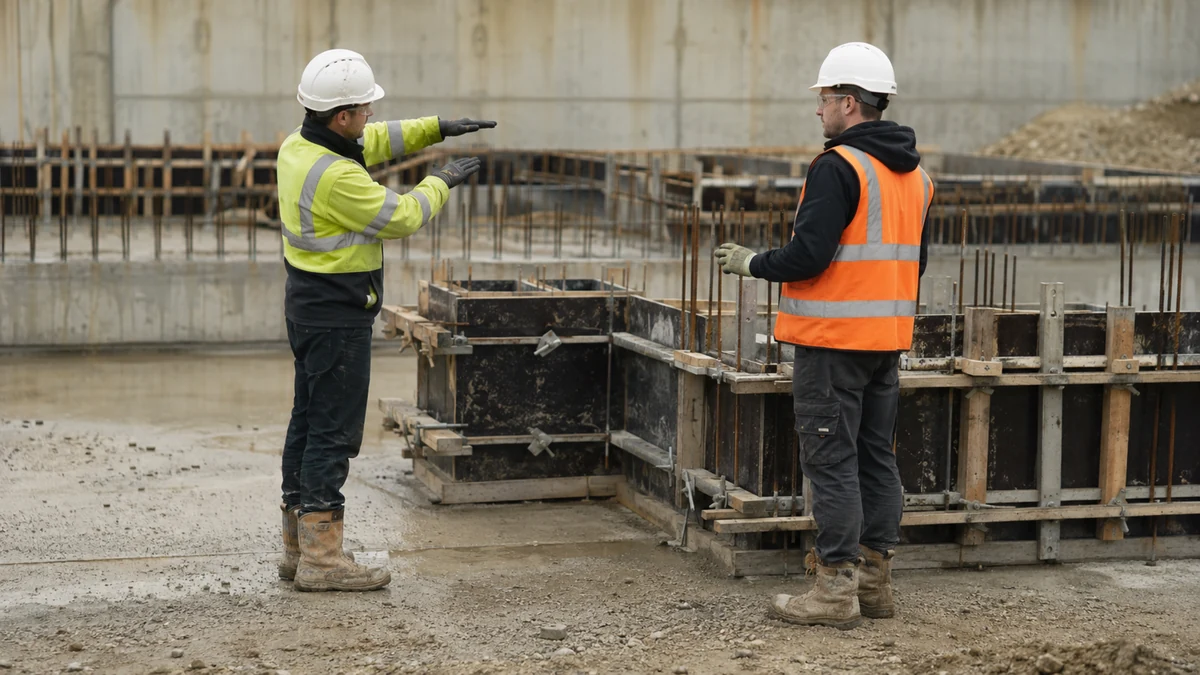
- Foundations poured twice due to service clashes
- Rework and extras completed under time pressure
The work happened, but the payment never did.
The Financial Impact
Consider the cumulative effect:
- One £2,000 monthly variation equals £24,000 annually
- Across five jobs, that compounds to £120,000 in lost revenue
- A single missed variation can eliminate profit on smaller packages
These numbers reflect real contractor experience.
A Real Case Study
A contractor installed 120 metres of cable tray following a verbal design change. Work occurred over a weekend with no documentation. When submitted three weeks later, the client refused payment due to lack of evidence.
Result: a £3,800 loss. The work was legitimate and the variation valid, but the evidence didn't exist.
Four Root Causes
1. Verbal Agreements
Site teams approve changes verbally without written follow-up. The instruction was clear, but nobody wrote it down.
2. Inadequate Training
Teams do not recognise what constitutes a variation. They complete extra work as normal activity.
3. Poor Documentation
Missing photos, notes, and quantities. Even when variations are recognised, evidence is incomplete.
4. Inconsistent Logging
Scattered approaches: spreadsheets, notebooks, delayed records. Information exists but cannot be assembled into a compelling case.
Why Final Accounts Will Not Help
Contractors often assume final account reconciliation will capture missed variations. It rarely does.
Final accounts represent negotiations, not recovery opportunities. Without contemporaneous evidence, clients typically refuse payment. The time to document is when the work happens, not months later.
The Five-Point Solution
1. Real-Time Capture
Log variations immediately, not days later. Even rough documentation captured in the moment beats perfect documentation that never happened.
2. Standardised Recording
Consistent templates across all projects capturing date and time, change description, change rationale, approving party, and photographic proof.
3. Site Team Empowerment
Train supervisors and foremen to recognise variations. Provide checklists. Make recognition automatic.
4. Simplified Evidence Collection
Mobile photography with automatic system uploads. Reduce friction to the minimum possible.
5. Live Variation Logs
Accessible, visible logs reviewed weekly by QS, PM, and site leadership. Submit claims with confidence rather than pursuing retroactive recovery.
The Transformation
One contractor reported a dramatic improvement. Previously losing approximately £60,000 across two jobs due to missed items, they implemented structured daily logging with real-time photo synchronisation.
Last quarter: £86,000 in variations submitted. One challenged. None rejected.
The difference was documenting the variations that already existed, not finding new ones.
Getting Paid for What You Already Do
You don't need to do more work; you need to get paid for what you're already doing.
The fix is consistent recording and documentation, not more effort. The revenue already exists; you just need to capture it.
A Simple Test
Track every change on one job for one week. At the end, assess with your QS how many would have been missed using prior practices.
Bill from that-day lines
Unbilled is not unearned. It is a record that arrived after the clock. Put the variation on the site diary the same day. Rosie reads those entries so a done-but-unbilled line is raised while the time bar is still open.

.webp)